What EU buyers ask about children’s textile documentation
General product safety, toy safety and textile labelling: the documentation questions European retailers ask about canopies, play tents and other children’s textiles.
Written by the Olyo team. Updated .
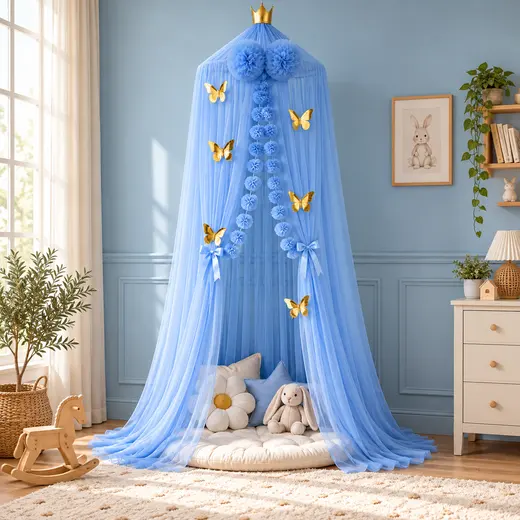
European buyers usually ask three things. Is there an EU economic operator for the product under the General Product Safety Regulation? Do play products such as tents and playhouses meet toy-safety rules (EN 71 testing, CE marking)? And is the fibre composition labelled as the Textile Regulation requires?
General product safety
The EU General Product Safety Regulation (EU) 2023/988 applies to consumer products from 13 December 2024. Among other things, products sold in the EU need an economic operator established in the EU who is responsible for them, and must carry product and contact information.
Toys
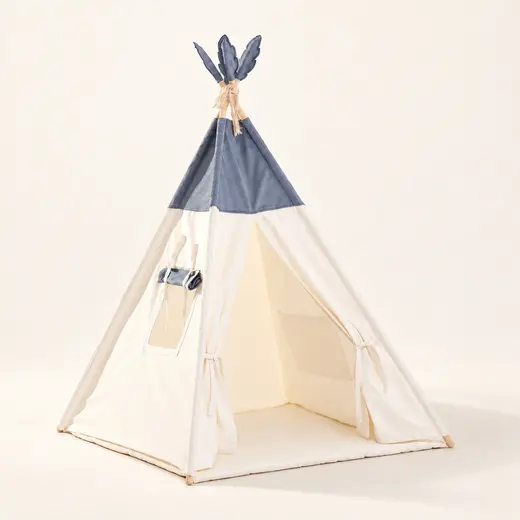
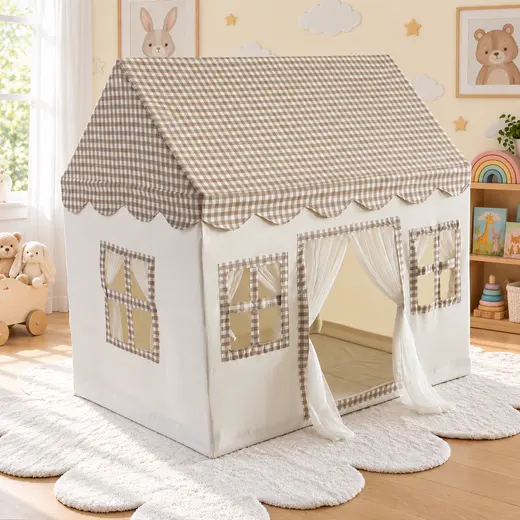
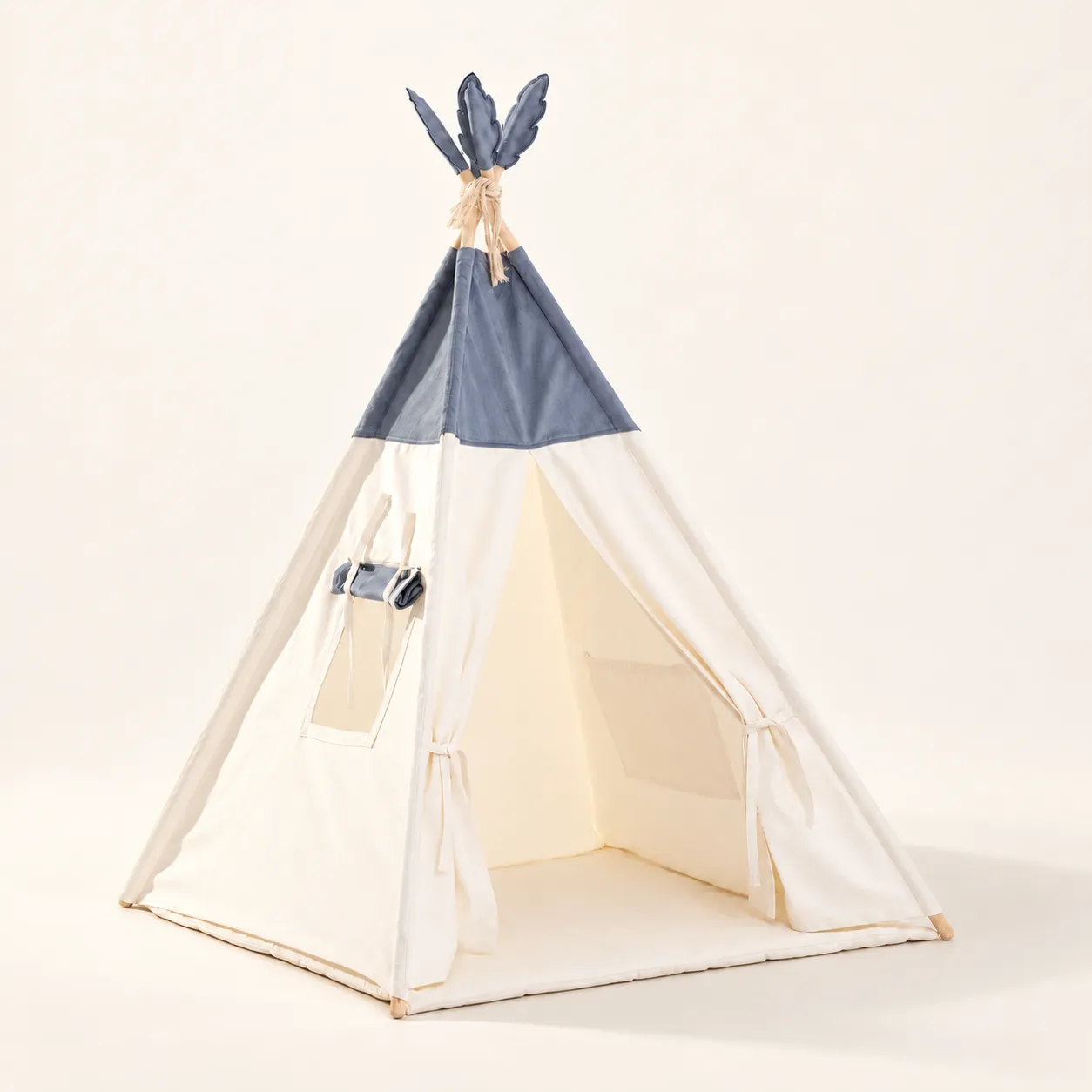
Products designed for play by children under 14, such as play tents and playhouses, are generally treated as toys. Toys must meet the EU toy-safety rules, usually shown with tests to the EN 71 standards (for example mechanical properties, flammability and chemical migration) and CE marking. The EU has agreed a new Toy Safety Regulation to replace the Toy Safety Directive; check the European Commission’s toy-safety page for its application dates. Whether a particular product counts as a toy is decided product by product.
Textile labelling and chemicals
Textile products must show fibre composition using the names set out in Regulation (EU) No 1007/2011. REACH restricts certain substances in textiles, for example some azo dyes.
How we work with you
We share the documentation we hold for each product on request and plan any additional testing with you before production. Our safety and documentation page lists what is currently available.
This guide describes what buyers commonly ask about. It is not legal advice: requirements depend on the exact product and change over time, so confirm them with the official sources below or a compliance adviser.